
27 Feb 2026
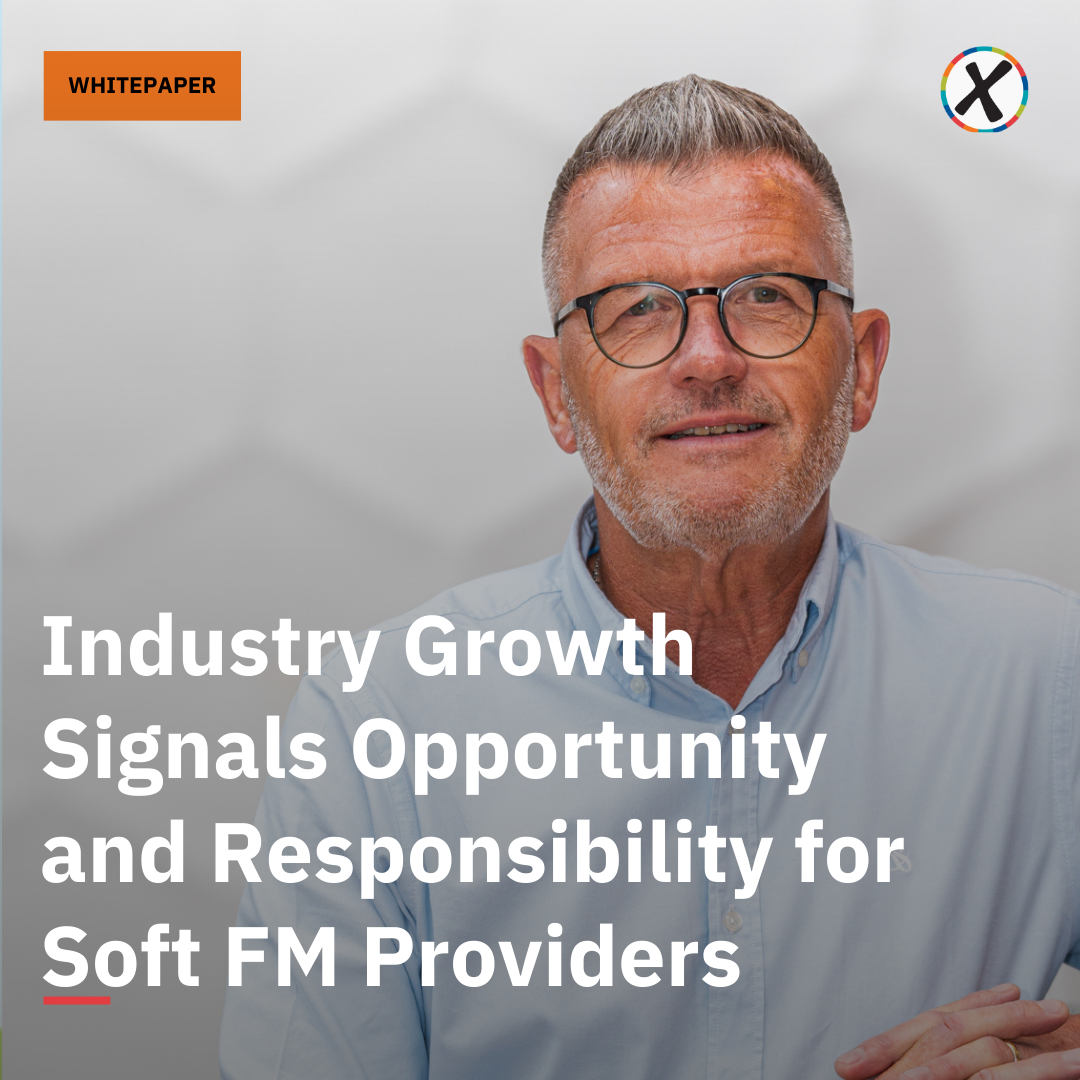
Industry Growth Signals Opportunity and Responsibility : A perspective from CEO Johan Venter
As CEO of Excellerate Services UK & Ireland, I welcome the latest annual research report from the British Cleaning Council, launched at the Manchester Cleaning Show. The findings clearly demonstrate the scale, resilience and increasing strategic importance of our sector to the UK economy.
The headline figure is significant. The cleaning, hygiene and waste industry is now worth almost £72bn, up from £67.7bn in 2022. That sustained growth secures its place as one of the UK’s top ten industries. This is not simply an encouraging statistic; it is evidence that the services we provide are fundamental to public health, business continuity and workplace performance.
Facilities Management Driving Sector Value
The report confirms that 46 per cent of total industry turnover is generated by facilities management. This is a powerful endorsement of the integrated model that many forward-thinking organisations are now adopting.
Clients are no longer procuring services in isolation. They expect cohesive, data-led, outcome-focused solutions that align with their operational goals and ESG commitments. As a business operating across the UK and Ireland, we see first-hand how soft FM has evolved from a support function to a strategic enabler.
At Excellerate, we have developed our own in-house, award-winning platform, Velocity, which provides our clients with this cohesion. It delivers real-time insight and operational efficiency for our clients, with complete transparency, clear performance data and continuous improvement; helping them save time while elevating service quality.
The breakdown of the remaining sector value, 26 per cent from waste and resource management, 18 per cent from cleaning activities and almost 10 per cent from landscaping, reinforces how interconnected environmental and workplace services have become.
For our industry, this presents both opportunity and responsibility. We must continue to raise standards, invest in technology and deliver measurable impact.
Workforce Scale and Structural Challenges
The sector now employs 1.51 million people, representing approximately 5 per cent of the UK workforce, across 78,915 businesses. The majority of these are micro enterprises, highlighting the competitiveness and diversity of the market.
However, the report rightly identifies persistent challenges. Recruitment remains difficult. The workforce is ageing. Government recognition does not yet fully reflect the sector’s economic and social contribution.
From a CEO perspective, these issues demand strategic action. Sustainable growth depends on attracting and retaining talent, offering dynamic career pathways and ensuring fair, responsible employment practices.
Initiatives such as the UK Cleaning Career Development Zone and the increasing uptake of the Level 2 Cleaning Hygiene Operative apprenticeship are positive developments. As industry leaders, Excellerate Services support and amplify these programmes to strengthen long-term workforce resilience. We have set ourselves an ambitious target to grow apprenticeship opportunities across our workforce in 2026 and beyond, creating sustained development routes for our talented teams.
Our investment in leadership development, wellbeing programmes and inclusive recruitment practices also ensures our workplace reflects the communities we serve. Retention improves when colleagues see a future, not just a job.
Recognition and Leadership
Despite contributing nearly £72bn to the UK economy, the cleaning, hygiene and waste sector continues to seek greater recognition at policy level. The essential role our industry plays in maintaining safe, productive environments is undeniable.
The data in this report should give the sector confidence. It confirms that we are not peripheral to economic performance; we are central to it.
At Excellerate Services UK and Ireland, we believe this growth must be matched by ambition. That means championing responsible procurement, delivering social value, embedding sustainability and driving continuous improvement across every contract.
I am pleased to report that our science-based emissions reduction targets have been officially validated by the Science Based Targets initiative (SBTi). We are now aligned with the SBTi Corporate Net-Zero Standard, committing to meaningful, measurable climate action across our value chain. We have further commitments to our strategy to operate responsibly, reduce our environmental impact and drive positive change for our clients, colleagues and communities.
The BCC’s research paints a picture of an industry that is growing steadily and delivering significant economic value, while facing clear structural challenges. The next chapter will be defined by leadership, collaboration and long-term investment in people and innovation.
I see this moment as both validation and a call to action. The sector’s value is rising. It is our collective responsibility to ensure its reputation, professionalism and influence rise with it.
Read the full report here.

PERFORMANCE CENTRE
Studio 5004
Abbey Mill Business Centre
Paisley
PA1 1JS
REPUBLIC OF IRELAND
Block 3, Harcourt Centre
Saint Kevin's
Dublin 2
© 2026 Excellerate Services UK Limited
Company Registration Number: 02770135 | VAT Registration Number: GB625622450
Company Registration Number: 02770135
VAT Registration Number: GB625622450
VAT Registration Number: GB625622450